

Manifestation
The CIA's "declassified manifestation" document, explained
The CIA's "Gateway Process" document is real, but declassified means released, not endorsed or proven. An honest look at what the 1983 report actually says.
Topic
The CIA's "Gateway Process" document is real, but declassified means released, not endorsed or proven. An honest look at what the 1983 report actually says.

There is no fixed timer to manifest a result. What has a real timeline is the internal change: building a habit took a median of 66 days, range 18 to 254.

Manifestation and goal-setting share the same neuroscience. Manifestation adds three layers: emotional engagement, identity work, and nervous-system regulation.

How to write affirmations that work: keep them believable, identity-based, present-tense, specific, and paired with action. The neuroscience behind each step.

How to choose a manifestation teacher you can trust: the red flags (guaranteed results, blame, upsells) vs. the green flags (named mechanism, honest timelines).

Affirmations work when they're believable and backfire when they aren't. The science of the believability window, why "I am a millionaire" feels like a lie.

Manifestation backfires when it stays passive: imagining a goal as already achieved can lower effort (Oettingen & Mayer, 2002). The fix is mental contrasting.

Manifesting the opposite of what you want is not cosmic punishment. It is confirmation bias, negativity bias, and a self-concept your attention confirms.
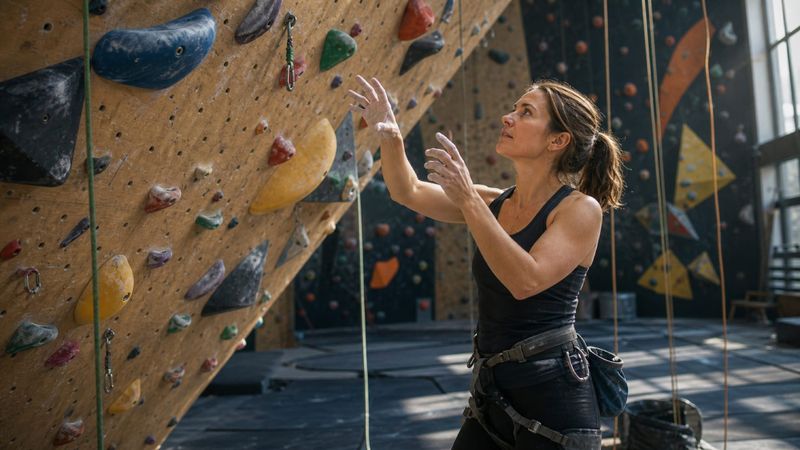
Does visualization work? Yes, within limits. Imagining an action trains much of the same brain circuitry as doing it, so mental rehearsal builds real skill.

You can shift subconscious patterns through repetition, emotion, and expressive writing. Subliminal tapes and sleep reprogramming are the oversold part.
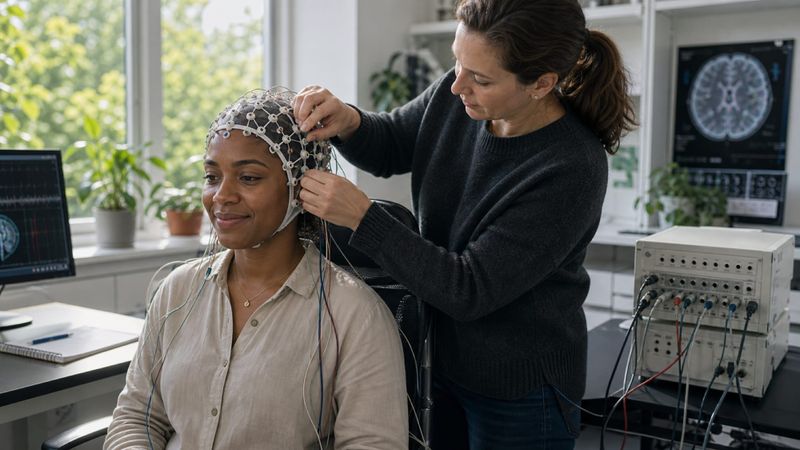
Does meditation change your brain? Yes, but moderately. The research confirms real grey-matter and symptom changes around 0.3, smaller than the headlines claim.

How to visualize effectively: first-person, multisensory, vivid, and paired with action. Plus why "I can't see images" (aphantasia) doesn't lock you out.